Social bathing in New York: the bathhouse map in 2026
The city that nearly lost its bathhouses in the 1980s now has a historic schvitz, social bathhouses and neighborhood sauna clubs. A map of where to share the sauna, the steam and the cold water.
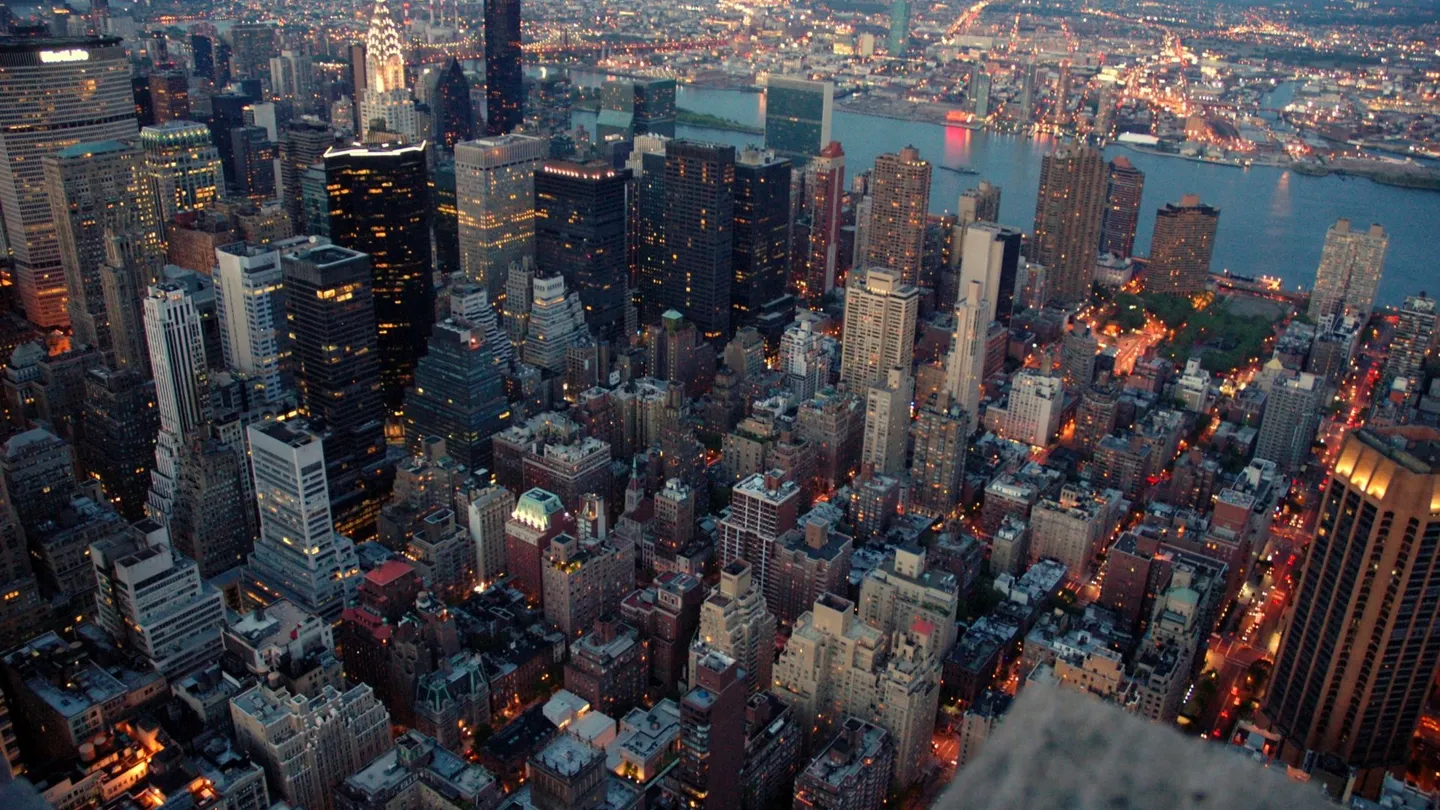

The city that almost ran out of bathhouses
New York once had many bathhouses. Most closed in 1985 and 1986, under state public health rules of the time. What survived, in the basement of a tenement on East 10th Street, was the Russian & Turkish Baths, open since 1892. In an interview with Culture of Bathe-ing, Dmitry Shapiro describes the house as a schvitz, a place for sweat, cold and borscht.
Four decades later, the city has a new generation of bathhouses. The format changed: the bathhouse stopped being only the immigrant basement and moved into a former soda factory, a Brooklyn warehouse, neighborhood clubs and guided sessions with breathwork.
The Bathe like a local guide, published at Culture of Bathe-ing and co-written by Robert Hammond, president of Therme Group in the US, lists the city’s new houses and is one of the sources for this text.
This is not a ranking and does not replace a visit; it is a map for deciding what kind of house you want, with what each offers and what to confirm on the site before booking. Prices, hours and rules change fast. The directory with the address and full listing for each house is on the New York map.
The New York chain is called Bathhouse. It has no connection to this site, the Desterro Company guide at bathhouse.guide.
Three formats at once
What confuses arrivals is that the city runs three generations on the same map.
| Format | What it is | Examples |
|---|---|---|
| Historic schvitz | High heat, extreme cold, walk-in | Russian & Turkish Baths |
| Social bathhouse at scale | Contrast circuit, aufguss, day pass, several locations | Bathhouse, Othership |
| Neighborhood club | Membership, frequency, smaller scale, routine | Akari, Lore, Elahni |
The practical difference is in how you use them: some houses are for going once on a trip, some for coming back twice a week, and some for a guided hour without wandering between equipment on your own.
In February 2026, Culture of Bathe-ing held a sauna festival at Domino Park, on the Williamsburg waterfront, with dozens of temporary saunas, aufguss, breathwork and sessions from the city’s houses, outdoors and in the middle of winter.
1. Russian & Turkish Baths: the schvitz that remains
The Russian & Turkish Baths is at 268 East 10th Street, in the East Village. It opened in 1892. It takes no booking for use of the house. A single entry, on the official site, cost US$65 on the date this text was published.
In the beginning there was only the Russian Room and the Turkish Room; the redwood sauna and the steam rooms came later, over decades. The Russian Room has a furnace holding around 10 metric tons of stone, heated overnight, which carries the heat all day. In the same interview, Shapiro describes his own ritual as 45 minutes of heat and cold with little rest: Russian Room, plunge, Turkish Room, sauna, steam and food at the end.
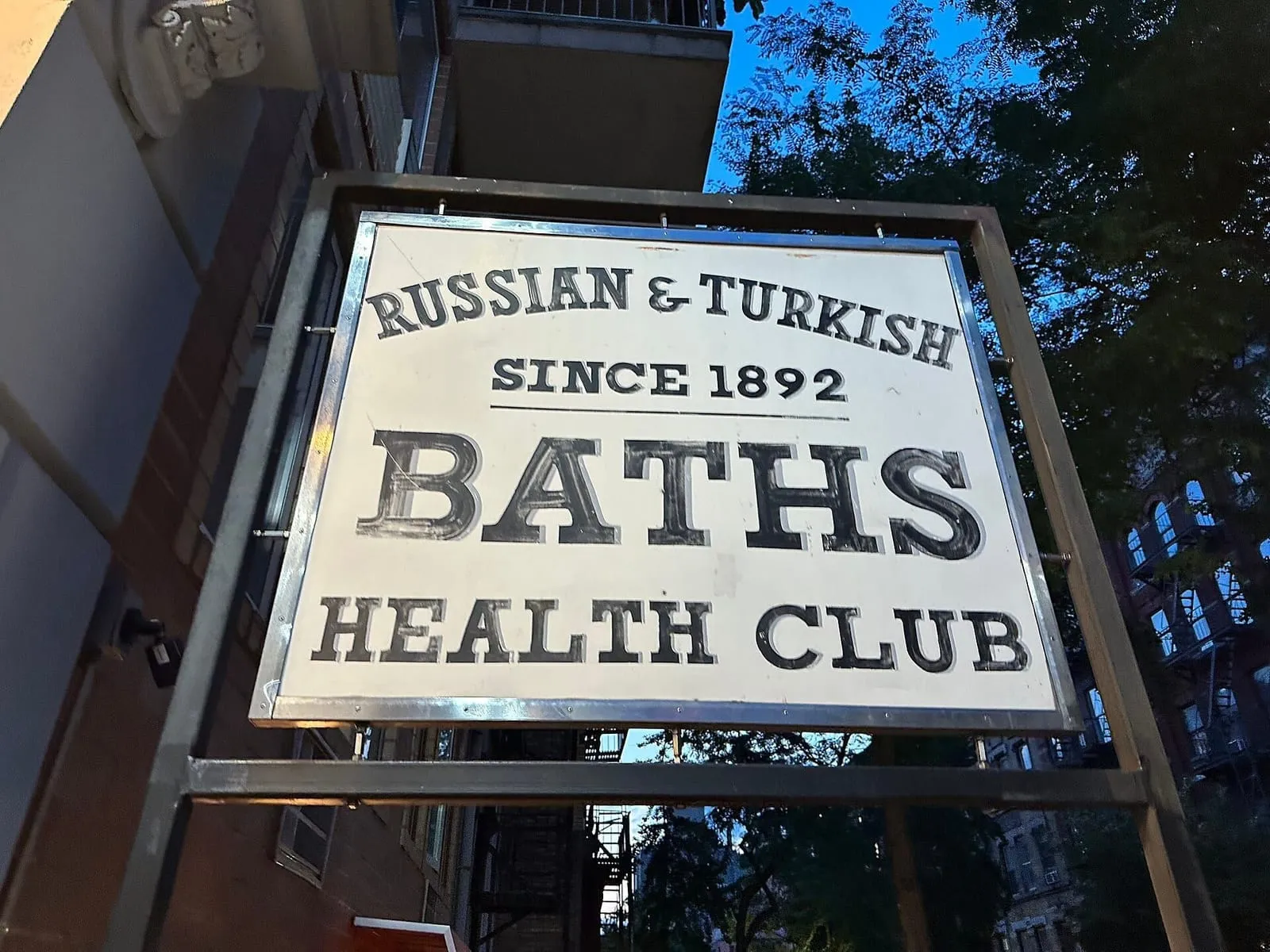
The sign on East 10th Street: open since 1892, the schvitz that survived the closures of the 1980s. Photograph: PK-WIKI, CC BY 4.0, via Wikimedia Commons.

There is one operational detail visitors need to know: the house publishes a calendar of alternating weeks, and cards are valid only in the weeks stated at purchase. Mixed, men-only and women-only hours also change. Check the week and the shift on the site before going.
2. Bathhouse: the social circuit at three addresses
Bathhouse runs three locations in the city. The first opened in 2019, in a former soda factory in Williamsburg. Flatiron followed, then Atlantic Avenue in Downtown Brooklyn in May 2026.
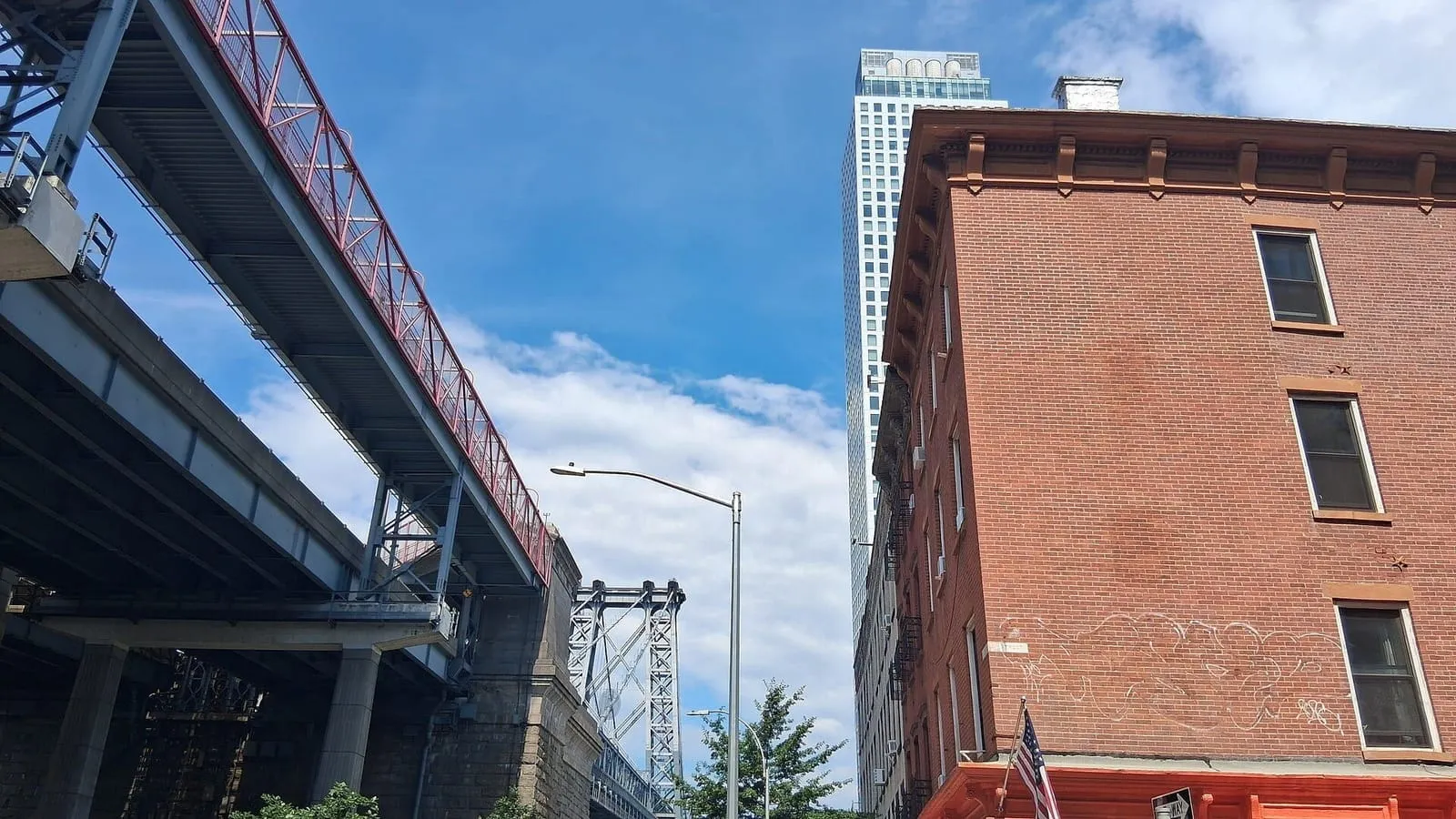
Williamsburg, Brooklyn: Bathhouse opened its first venue here in 2019, in a former soda factory. Photograph: Kidfly182, CC BY 4.0, via Wikimedia Commons.

| Location | Address | Day pass (site, at publication) |
|---|---|---|
| Williamsburg | 103 North 10th Street, Brooklyn | from US$39 |
| Flatiron | 14 West 22nd Street, Manhattan | from US$29 |
| Atlantic Avenue | 540 Atlantic Avenue, Brooklyn | from US$29 |
The Atlantic Avenue location runs to about 32,000 square feet, with an indoor area and a backyard. The circuit gathers an event sauna, a banya, infrared, steam, and hot, neutral and cold pools. The house positions the event sauna as a stage for aufguss: the master uses oils, music and a towel to move the heat around. In May 2026 the location hosted the Aufguss USA Nationals.
There is a day pass, treatments and scrubs, with booking through the site. Williamsburg has an outdoor pool. Hours, session type and swimwear rules vary by location.
3. Othership: sauna as a session, not a circuit
Othership started in Toronto and came to New York with sessions led by a guide. There are two locations in the city, Flatiron (23 West 20th Street) and Williamsburg (25 Kent Avenue, near Domino Park). A third, on the Upper East Side, is planned for 2027.
The format is a session rather than a free circuit of pools: a performance sauna, ice baths between 0 and 4 °C (32–39 °F), breathwork, and a lounge to stay in afterwards. There is free flow (you move at your own pace), guided classes, and socials with music. In their interview with Culture of Bathe-ing, the founders describe the space as a meeting place. The lamp light is hand-painted to reach 1800 kelvin, the temperature of a candle.
Prices vary by session type, time of day, and whether you buy a single, a pack or a membership. The two-week intro appeared on the site at US$135, with one session per day, on the date this text was published. Confirm the single-session price at booking.
4. Akari: neighborhood sauna, members only
Akari describes itself as a Japanese neighborhood sauna. The name means light. The first house opened in Williamsburg at the end of 2023, followed by Greenpoint. The site lists three addresses:
- Williamsburg: 202 Grand Street
- Greenpoint: 149 Franklin Street
- Lower East Side: 60 Orchard Street
There is no day pass. The house works with a capped number of members, charges a monthly membership (there is a daytime tier and a full tier, with an all-access option), and admits a one-off visitor only as a member’s guest, for a fee. There is a waiting list for new members. It takes no booking for use of the space. You take your shoes off at the door, pass through the tea lounge, and enter the hot-cold-rest cycle.
The Greenpoint location was covered by Dezeen in January 2026. Williamsburg is the original house, with two saunas and small plunges.
5. Lore Bathing Club: the 75-minute club
Lore opened in January 2026 at 676 Broadway, in NoHo. It runs about 6,200 square feet across two floors, with a dry Finnish sauna, an infrared sauna, a cold pool and heated benches in hammam mode. The standard session lasts 75 minutes, and phones stay outside.
The house sells membership to people who come back often. There are single sessions and packs, but the main product is the neighborhood club.
There is aufguss programming, guided immersion and aromatherapy inside the sauna. Swimwear is required. The house supplies towels. Membership hours and prices change; check the site.
6. Elahni: sessions of up to four people
Elahni sessions hold at most four people, with a host leading the rounds, the breathing and the pause. The house is on the second floor at 12 West 27th Street, in NoMad, and calls itself a wellness speakeasy: a Finnish sauna and an ice bath.
The session is a guided hour, with hydration in the middle, a tonic at the end and booking required.
What else opened in 2026
The Culture of Bathe-ing map, drawn by Victor Jeffreys II at the end of 2025, lists houses that had yet to open. Some have since opened.
- The Altar (122 Fifth Avenue, Flatiron): a shared sauna for about 50 people and cold immersion. Soft launch in April 2026. The longevity protocols at the same address (IV, hyperbaric oxygen, red light) sit outside this guide.
- Schwet (78 Franklin Street, Tribeca): banya, a mineral pool, immersion at around 9 °C (48 °F), a Japanese scrub and a bar.
- Reunion Baths (Brooklyn) and Sund (outdoor Nordic bathing, planned for 2027) were still in the pipeline when this was written.
Supply has grown and now covers distinct formats: social house, routine club, small guided group and street festival.
Summary by format
| House | Format | Published access |
|---|---|---|
| Russian & Turkish Baths | Schvitz open since 1892 | No booking; cards valid on alternating weeks |
| Bathhouse | Contrast circuit at three locations | Day pass booked through the site |
| Othership | Guided sauna and cold-immersion session | Single session, pack or membership |
| Akari | Neighborhood sauna at three addresses | Members and members’ guests only |
| Lore Bathing Club | Club with a 75-minute session | Membership, single session and packs |
| Elahni | Guided session for at most four people, with a host | Booking required |
The houses differ less in sauna style than in who shares the room with you: visitors passing through, members who come back every week, or a small group following the same guide.
The Culture of Bathe-ing pieces used here are the map of new houses, the interview with the Russian & Turkish Baths, the origin of Othership and the report on aufguss in the US.
Want to go? Open the New York map with addresses, prices and full listings. For another itinerary, see social bathing in Medellín and the Where to go category.