Bathhouse, spa, recovery and hot springs: what social bathing is and what sits outside it
Almost every place with a sauna and an ice tub calls itself a bathhouse. Social bathing is bathing together in a shared space: what falls inside that line, what sits outside it and the questions that tell you who you will share the room with.
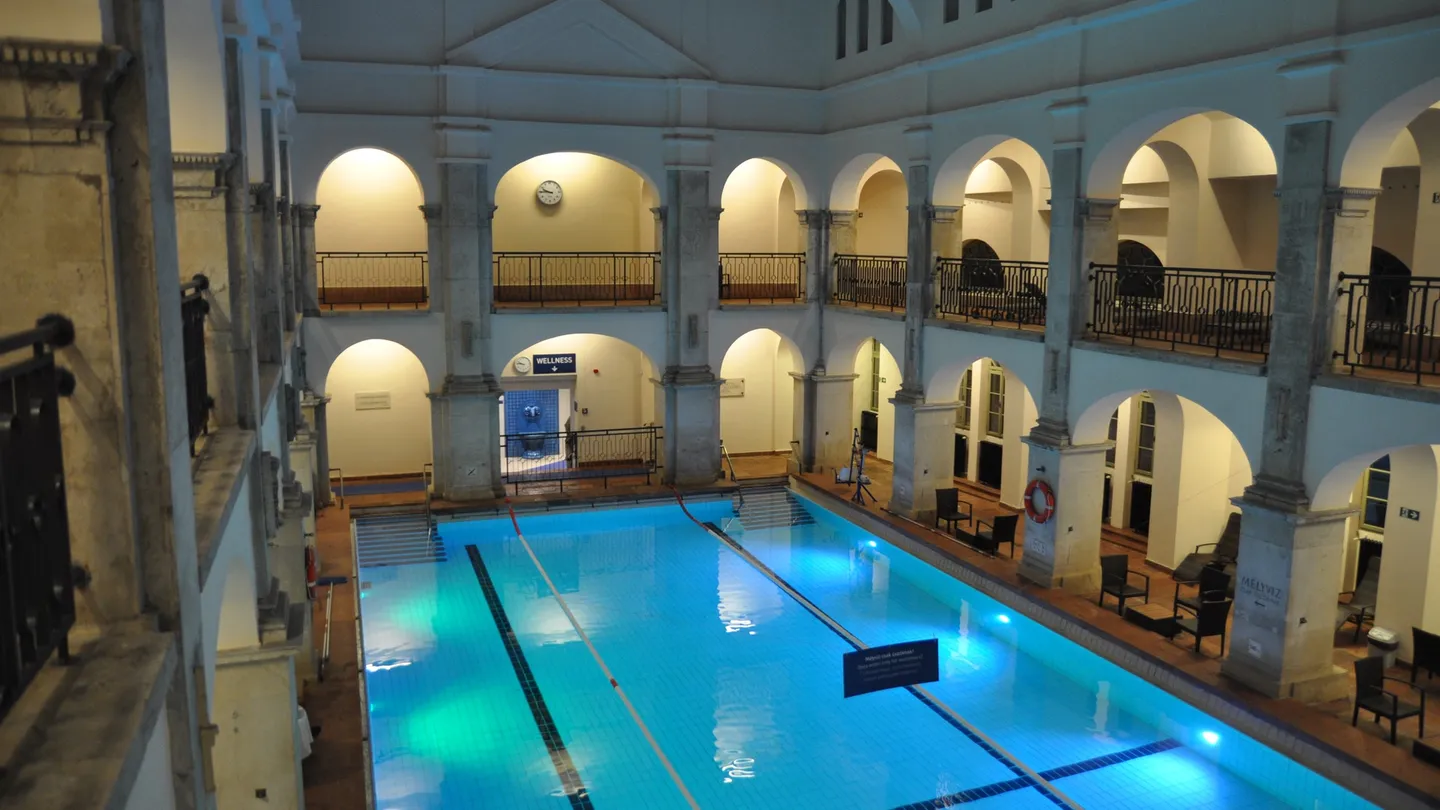
Photograph: Christo, CC BY-SA 4.0, via Wikimedia Commons

In much of the English-speaking world, bathhouse still reads as a brand name or an imported trend. In practice it is an old format with a new label: a space where the bath is the reason for the visit and where you bathe alongside other people, strangers included, moving between heat, cold, rest and conversation, with no hurry to be out in sixty minutes.
What confuses things is the vocabulary. A gym with a sauna, a day spa, a recovery club, a contrast studio, hot springs and the contemporary bathhouse all use similar words (sauna, ice, steam, hot pool) to sell different programs. This piece separates the formats by one criterion: whether the bathing happens in a shared space open to the public or not. That is the line of social bathing, and it is the line this guide follows.
What social bathing is
Social bathing is bathing as a shared practice, in a shared space, with other people, strangers included. What defines the format is the room: whoever arrives shares the heat, the water and the rest with whoever is already there.
A bathhouse is the contemporary version of this. You arrive, change, move between heat and cold, rest, talk and go back for another round. There is a wet area, with tubs, pools, plunges, showers and damp lounges. The stay is long, generally one to three hours, sometimes all day.
Almost every bathing tradition has its own version of this: the Finnish sauna, the Russian banya, the hammam, the Japanese onsen and sentō, the Korean jjimjilbang, hot springs. The equipment changes from one to the next, but the room is shared, with the bath at the center and company as part of the visit.
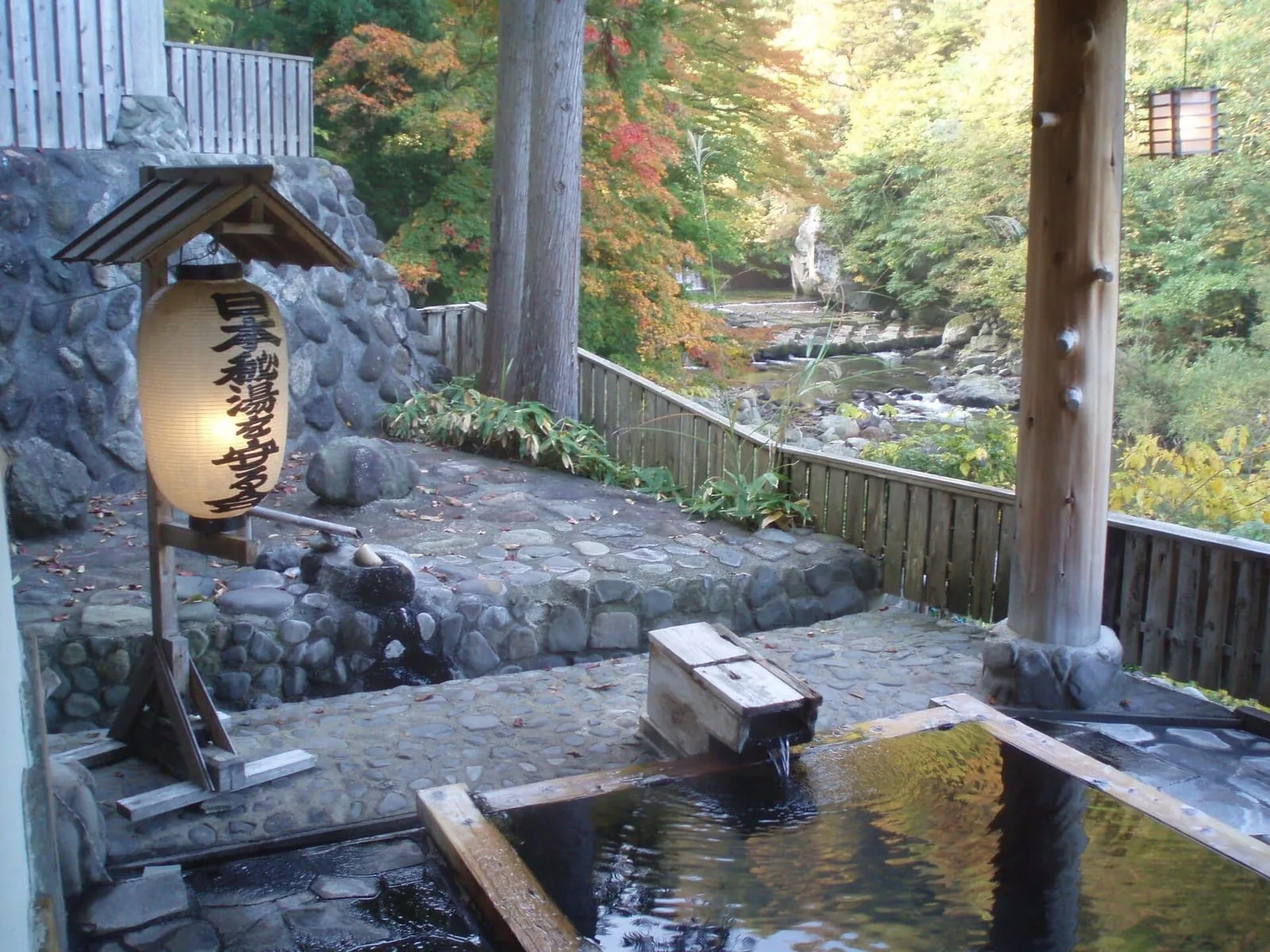
The rotenburo at Takanoyu Onsen, Akita: in Japan, onsen are the closest relatives of thermal baths. Photograph: RickardA, public domain, via Wikimedia Commons.

In many countries the closest familiar thing is still the sauna at a gym or a club, followed by hot springs resorts. Venues dedicated to bathing, with sauna, ice and somewhere to stay, are a recent arrival. That is why the word bathhouse got there before the concept did.
What is in and what is out
There is one line: the core of the offer is a shared bathing space that any member of the public can use alongside other people. The name on the door does not decide it. A place that calls itself a spa can be in, and a place that calls itself a bathhouse can be out.
| Format | In or out | Why |
|---|---|---|
| Bathhouse, sentō, public bath | In | Room and water shared with whoever is there |
| Hammam and banya | In | Shared heat rooms and washing rooms |
| Communal sauna and sauna club | In | The shared session is the product, booked or walk-in |
| Hot springs and thermal baths open to visitors | In | The thermal pool is shared with other bathers |
| Onsen and public hot spring pools | In | Shared bathing in thermal water |
| Spa with a day pass to a shared thermal circuit | In | The ticket gives access to a circuit shared with other visitors |
| Contrast or wellness club with a shared room | In | Heat, cold and rest in the same room, with other people |
| Private room, suite or private hire | Out | The bath belongs to your party alone |
| Spa or hot springs for hotel guests only | Out | The public cannot get in |
| Treatment-led spa (clinical, medical, physio, aesthetics) | Out | What you buy is a session with someone |
| Solo-modality studio (infrared, float, cryotherapy) | Out | Each person on their own equipment, no shared room |
| Swimming pool or water park with no bathing program | Out | No heat, no thermal water, no sauna |
| Gym sauna | Out | An amenity of the gym membership |
Hot springs
At hot springs, the program is the water, whether a mineral spring, a hot spring or a circuit of heated pools. People go to soak, to stay and to go back into the water, in a pool shared with other bathers, and the stay tends to be long. Hot springs and thermal baths open to visitors are social bathing, with or without a sauna.
In Japan the closest relative is the onsen (thermal spring). The sentō is the neighborhood cousin, with heated water that need not be mineral. “Hot springs” covers everything from a classic mineral water resort to a hotel complex with dozens of pools. What sits outside is the part that is not shared: the individual tub in a room of its own and the pool reserved for hotel guests.
A contemporary bathhouse builds the day around sauna, ice, rest and conversation, while hot springs build the day around the water. The difference is one of emphasis, and at both the water and the room are shared with other people.
Spa
At a spa, the program is usually the treatment: massage, aesthetics, a ritual performed on you by someone else. When entry exists only bundled with a treatment, or when the spa is clinical, medical, physio or aesthetic, what you buy is a session with someone, and the format sits outside.
When a spa, day or hotel, sells a day pass to a shared thermal circuit, it is in. That is the format of circuits like AIRE Ancient Baths: the baths-only ticket gives access to the pools at several temperatures and the steam room, and massages are sold separately from the circuit.
Recovery and contrast studios
At a recovery club, the program is the body: sauna and ice come in as a protocol for training, sleep and performance, almost always attached to a gym or a studio, by session and by appointment. A contrast studio has one sauna, one ice tub and bookings by the hour: you come in and you leave. Both formats have been opening often and frequently call themselves bathhouses.
The line runs through the room. A contrast or wellness club with a shared room, where heat, cold and rest are shared with other people, is in, including when the session is guided, in a small group and at a set time. A solo-modality studio is out: infrared cabins, float tanks, cryotherapy, one ice tub per person with no shared room.
Gym saunas and sauna clubs
A sauna on its own does not define the format. At many gyms it is an amenity of the membership: you use it between the workout and the changing room, and the format sits outside. Communal saunas and sauna clubs, where the shared session is the product, are in, as are mobile or floating saunas that sell shared sessions. A members-only club is in, with the members-only access stated plainly.
Private suites, hotels and pools
Bathing only in a private room, a suite or a private hire for your own party is out, as are spas and hot springs that admit only hotel guests. A venue that offers both, a shared or a private session, is in. Lap pools and water parks with no bathing program (no heat, no thermal water, no sauna) are out as well.
Other traditions on the same map
Social bathing neither starts nor ends with the contemporary American bathhouse. On the map the traditions appear side by side, each with the label of what it is:
| Format | What the program is |
|---|---|
| Finnish sauna | Dry heat and löyly, the steam off the stones |
| Banya | Wetter heat and the venik |
| Hammam | Saturated steam, hot slab, scrubbing |
| Hot springs | Mineral water or a hot spring; immersion in a shared pool |
| Onsen | Japanese thermal spring bathing |
| Sentō | Neighborhood bathhouse in Japan, heated water |
| Jjimjilbang | Many rooms, a uniform, long hours of company |
| Contrast | Heat and cold cycles with rest, in a shared room |
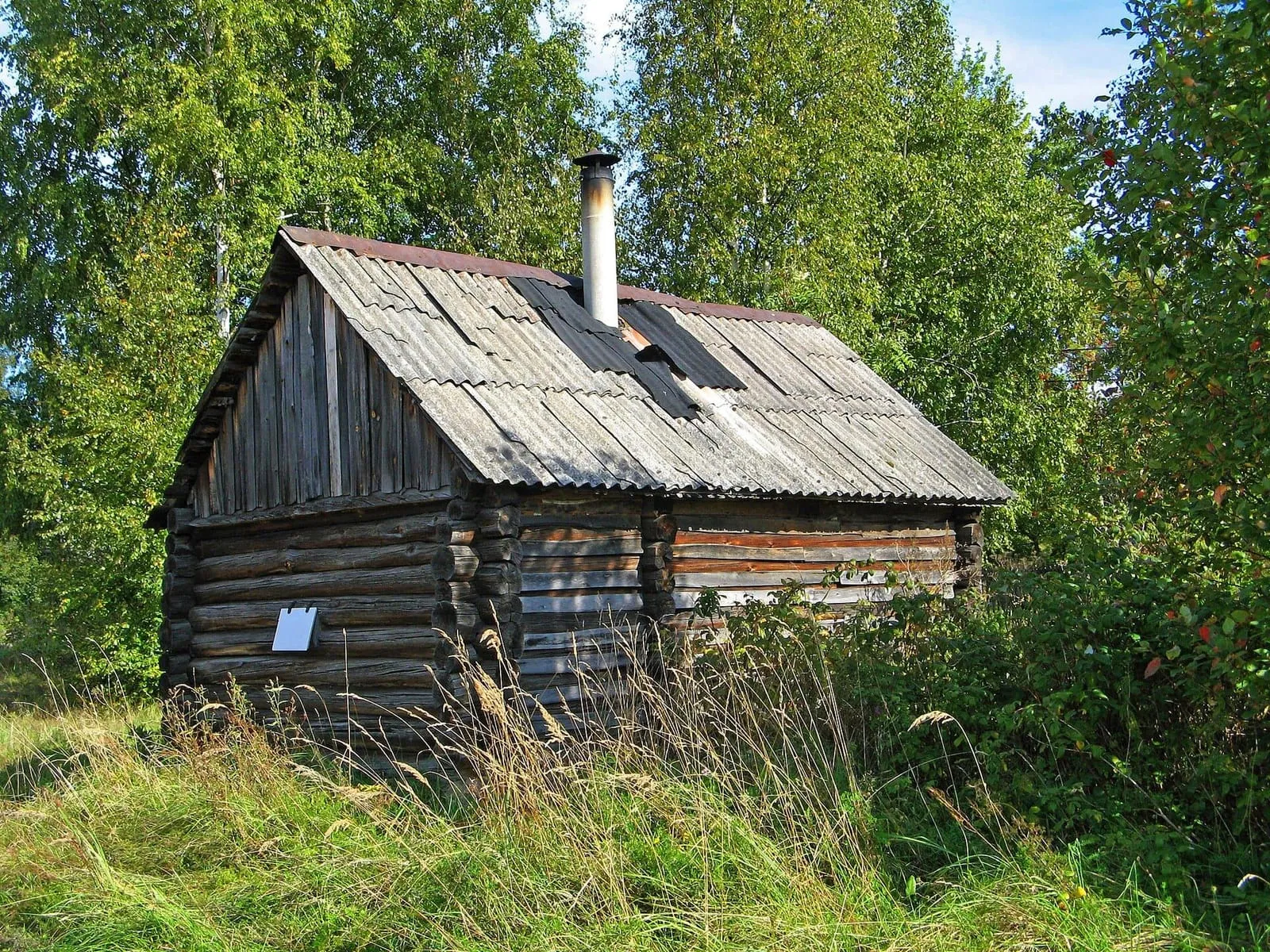
A village banya in Kobona, Russia: wetter heat and the venik, the bundle of birch twigs. Photograph: Екатерина Борисова, CC BY-SA 4.0, via Wikimedia Commons.

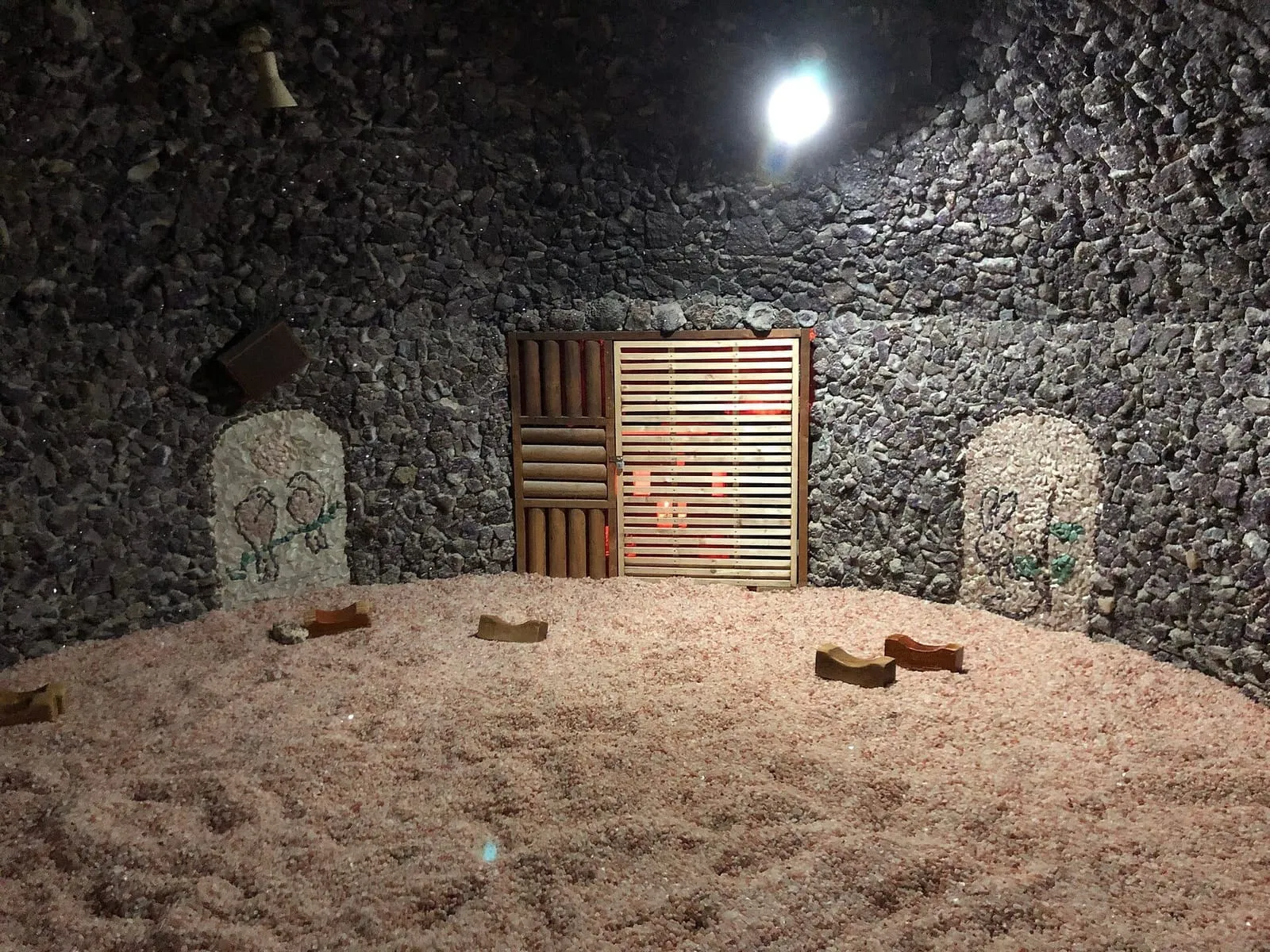
A bulgama room in a jjimjilbang in Wonju, South Korea: many heat rooms and long hours of company. Photograph: Choikwangmo9, CC0, via Wikimedia Commons.
3.jpg)
On the map, hot springs usually show up through the thermal source context and the kind of heat (onsen / hot springs), even when the operator calls itself a spa or a hotel. The label describes the program, not the brand.
How to decide in practice
Six questions clear up most of the confusion:
- Who shares the room with you? Other people, strangers included, or only your own party?
- How many people are there at once? A room for a group, or one person per piece of equipment?
- What are you buying? Free run of a circuit and time, immersion in water, a session at a set hour or a treatment?
- How long do you stay? Hours, or about an hour?
- Is the center hot air or water? Sauna and ice, or pools and a spring?
- Is there somewhere to stay after the heat? Wet area, lounge, food, conversation?
If the room is shared with other people and entry is open to the public, you are in social bathing, whether at a bathhouse, at hot springs, in a hammam or on a spa’s circuit. A heat and cold circuit, a long stay and company point to a bathhouse; mineral water or a hot spring as the reason for the visit points to hot springs (or an onsen). One person per piece of equipment, a suite of your own or a treatment session sit outside that line.
The map follows the same line, and every space carries the label of the format it offers. In the glossary, the terms come with a short definition.
Why this matters
While the word bathhouse spreads, much of what is sold under it is a contrast studio, a treatment spa or a gym sauna, and much of the social bathing that already exists goes by the name of hot springs. Understanding the line helps anyone planning a visit (to know, before booking, whether they will share the room with other people) and anyone thinking of opening a space (so they do not copy the marketing of one model and the floor plan of another).
Bathhouse, this site, exists for that: to be the global guide to social bathing, bathing together with other people in a shared space. Formats that sit outside that line appear here only as contrast. The focus includes the contemporary bathhouse, the other communal bathing traditions, the mapping of the spaces and where the bathhouse fits into that picture, alongside the hot springs that already exist.
Next step: open the map and filter by type or by thermal source, or read Social bathing in New York to see three generations of the same market side by side.