Ganbanyoku: the shared hot-stone room of a Japanese bath complex
Ganbanyoku is a warm room of heated stone beds that strangers share inside Japanese bath complexes. What the rooms hold, what people wear, the rules on quiet and phones, and how it fits a visit to an onsen or sentō.
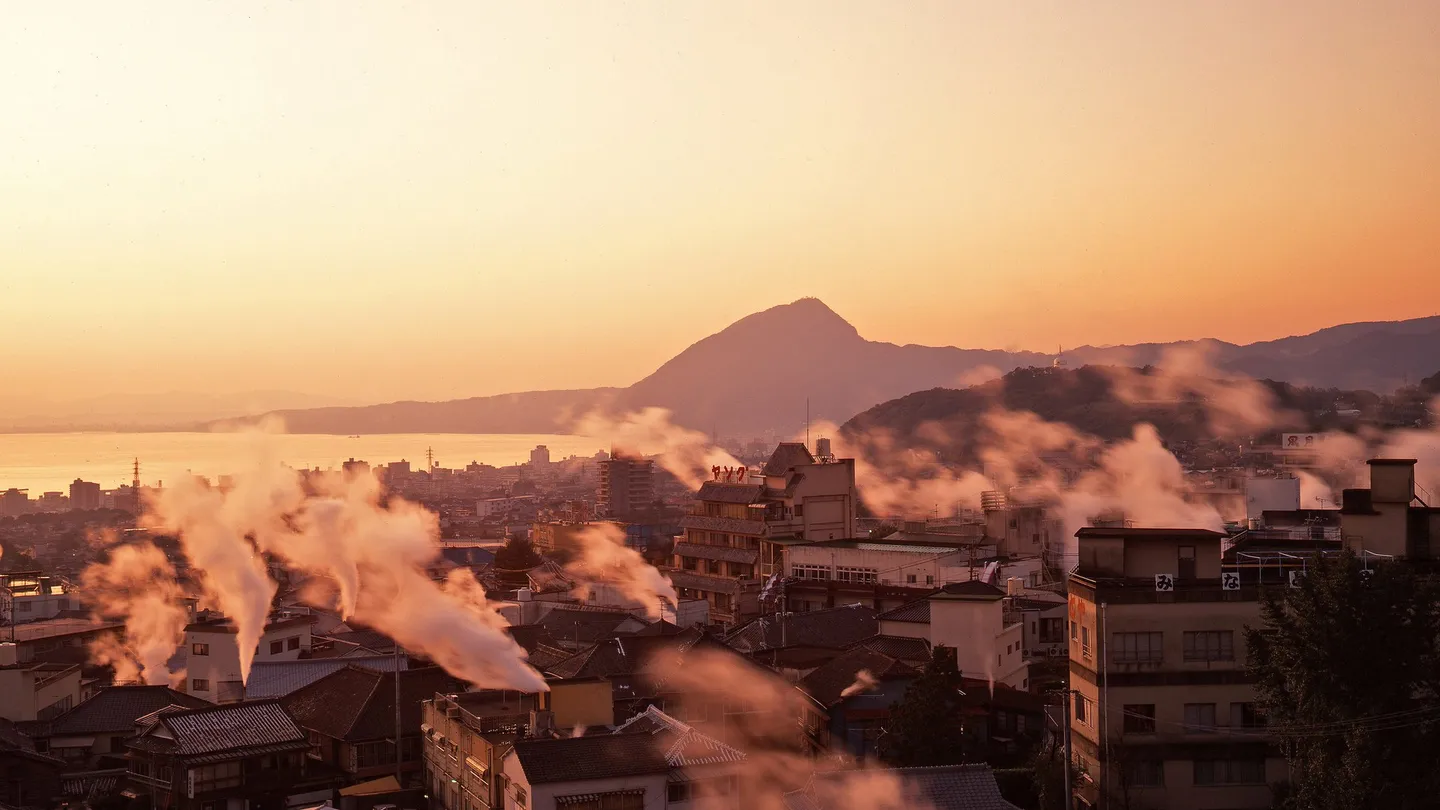
Photograph: FIND/47, CC BY 4.0, via Wikimedia Commons

The room is warm, but not fiercely hot. People enter wearing the loose clothes the venue hands out, spread a towel over a heated stone slab and lie down, a bed’s width from someone they have never met. There is no pool and no water poured onto stones, yet in Japan this is called a bath.
This is ganbanyoku (岩盤浴), often translated as bedrock bathing or hot-stone bathing. It is found in Japanese spas and large bath complexes, usually as a room or a floor of rooms that the complex’s bathers can use, sometimes for an extra fee. The beds sit side by side, and the people on them are other bathers.
This guide describes the room as people share it: what it holds, what people wear, the rules on quiet and phones, and how it fits a visit to an onsen or sentō.
What ganbanyoku adds to a bathhouse
For a guest, ganbanyoku offers sustained warmth without immersion and without the high air temperature of many saunas. Because everyone stays dressed in the venue’s clothes, the rooms can be mixed. In complexes where the pools are separated by gender, the stone room is where a mixed group of friends or a couple can stay together.
For someone designing a bathhouse, the stone is only the visible layer. A shared room needs even surface heating, controls that prevent overheating, ventilation, moisture-resistant construction, a place for used textiles, a cleaning routine and a rest area close by. A heated stone bed installed on its own is a piece of heated furniture; the format becomes a recognizable form of bathing only when the room, clothing, towel, cycles and rest are in place together.
What ganbanyoku means
The name joins ganban, a slab or bedrock, and yoku, bathing. In practical terms, it means lying on stone warmed from below, with a towel between the body and the surface, in a set of light clothes rather than nude.
The Japan Sauna and Spa Association’s hygiene standard describes ganbanyoku as a form of bathing in which people lie on heated granite or a similar surface in a room at about 40 °C and 80% relative humidity. That is a reference point rather than a universal recipe, since operators use different stones, room conditions and session lengths. The Japanese word for bath does not require immersion here: the body is heated without entering water.
What the rooms hold
A small venue may have one room of stone beds. A large complex usually has several, from mild stone beds to hotter salt or mineral rooms, plus a cooler room and a rest area between them.
Spa LaQua, a bath complex in Tokyo, publishes the layout of its stone-bath zone: rooms at about 40 °C, 45 °C and 50 °C, two cool-down saunas, a rest area and a view room at about 35 °C for drinks and conversation. One of the rooms is marked women-only. The zone requires its own wear, rented for an extra fee, and is open to guests aged 18 and over. LaQua does not publish a bed count; it says entry may be limited when the zone is crowded.
How a session works
A first visit usually follows a simple sequence:
- Shower if the venue asks you to, change into the supplied clothes and drink some water.
- Take a large towel into the heated room and place it over the stone bed so it covers the whole surface under you.
- Lie on your front for a few minutes, then turn onto your back.
- Leave the room before the heat becomes uncomfortable.
- Rest, cool down gently and drink water.
- Repeat only if you still feel well and the venue’s guidance allows it.
Some operators suggest cycles of roughly 15 to 30 minutes followed by a break. The timetable posted at the venue matters more than a universal routine found online.
Sharing the room: clothing, quiet and phones
Clothing. Everyone wears the same light set supplied by the venue, which is what lets men and women share the room.
Quiet. The rooms are for lying still. LaQua asks guests not to talk inside its sauna rooms and keeps conversation for the view room. Where a venue has no posted rule, keep your voice to the level of the room and move a longer conversation to the rest area.
Phones. LaQua bans phones, tablets and other devices in every room of the zone except the rest area and the view room. Where phones are allowed, the heat and moisture can damage a device, and a bright screen changes the room for everyone lying nearby. Check the house rules before carrying one inside.
Hygiene. Many bodies use the same horizontal surfaces. The Japanese industry hygiene standard covers clean clothing, a full towel under each person, daily cleaning of the room and a clear schedule for disinfection.
Ganbanyoku with an onsen or sentō visit
Large bathing complexes often offer both, and a visit usually moves between two zones: the gender-separated baths, where people bathe nude after washing, and the stone-bed rooms, where everyone is dressed.
An electrically heated stone bed is not an onsen. Under Japan’s Hot Springs Act, onsen is defined by naturally occurring water, vapor or gas and its temperature or mineral composition. Ganbanyoku needs none of those things.
The reference behind the indoor rooms is outdoors. Tamagawa Onsen, in the volcanic landscape of Akita Prefecture, has areas where visitors lie on geothermally warmed ground near steam vents. The Japan National Tourism Organization calls Tamagawa the birthplace of bedrock bathing, and the onsen itself still explains how to use its natural stone-bathing area.
| Format | Main heat transfer | Typical use | Clothing | Water’s role |
|---|---|---|---|---|
| Ganbanyoku | Contact with the warm slab, plus warm and often humid air | Lying down in cycles with breaks | Light venue-supplied clothes | Hydration and sometimes humidity, but no immersion |
| Finnish sauna | Hot air, radiant heat and brief steam from löyly | Sitting or lying on benches, then cooling down | Usually nude or in swimwear, depending on context | Poured on stones; cooling may include a shower or plunge |
| Steam room | Hot, saturated air | Sitting on tiled or stone benches | Depends on the venue | A generator continuously makes steam |
| Onsen | Direct contact with hot spring water | Immersion after washing | Nude in the bathing area | The water itself defines the bath |
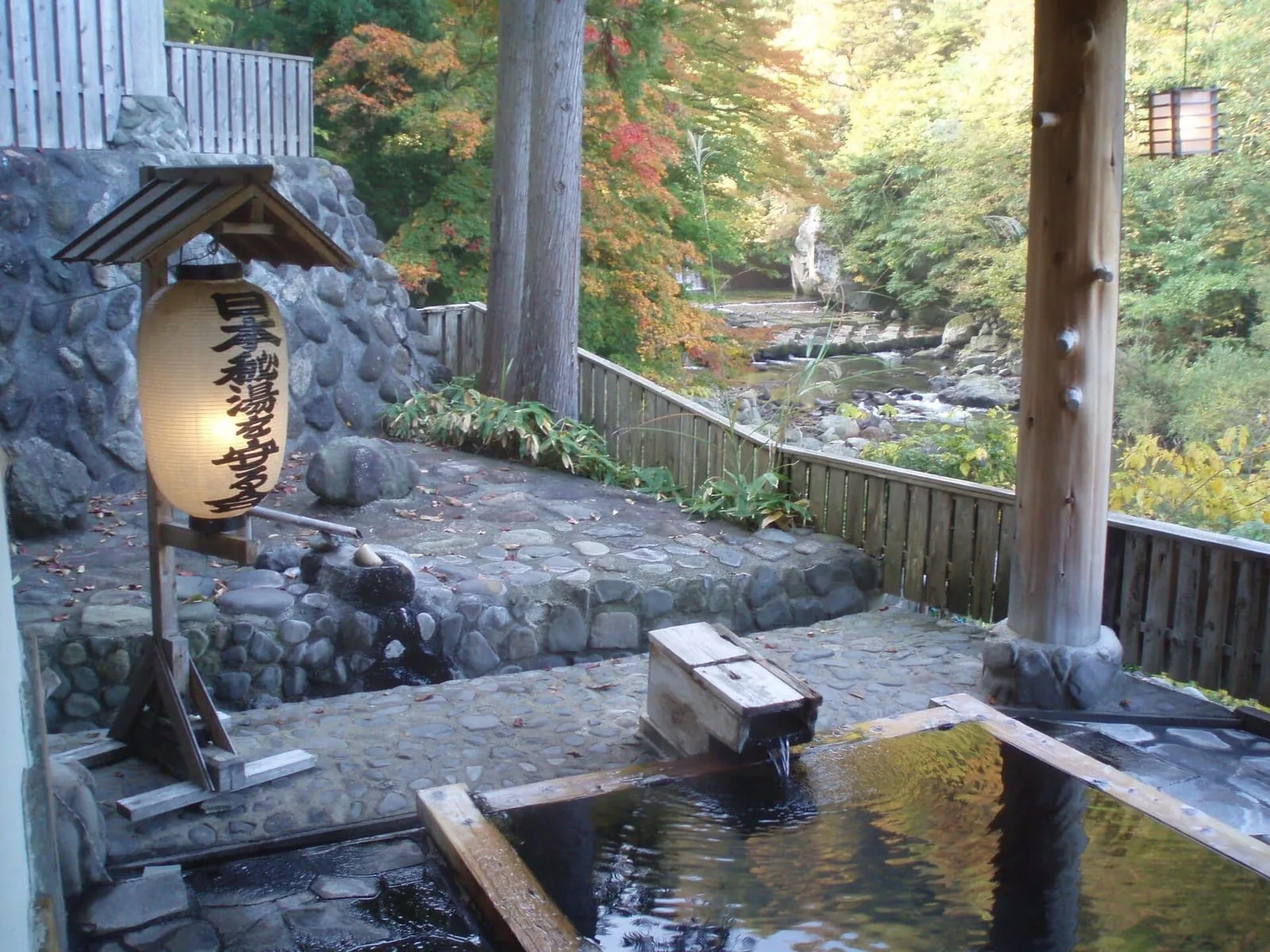
The rotenburo at Takanoyu Onsen, Akita: in an onsen, the water itself defines the bath. Photograph: RickardA, public domain, via Wikimedia Commons.

Heat, evidence and risks
The lower air temperature can make ganbanyoku feel gentler than a hot sauna, but the slab is in direct contact with much of the body, and humidity slows the evaporation of sweat. Room temperature alone does not tell you how intense the session will feel.
The research is small. A 2014 study of 13 healthy middle-aged women found that short periods of stone bathing imposed less strain than hot-spring bathing under its test conditions. No study shows that a stone or mineral removes toxins, causes weight loss or treats disease. Weight lost during a sweaty session is water.
Japan’s public guidance on heat illness explains how humidity and sweating can overwhelm the body’s control of its temperature. Leave the room if you feel dizzy, nauseated, unusually weak, confused, short of breath or develop a headache. Avoid alcohol before the session and drink water during breaks. Anyone who is pregnant or has cardiovascular disease, uncontrolled blood pressure, a history of fainting or medication that changes heat tolerance should seek individual medical advice first.
Next step: read The social side of the bathhouse for how shared rooms shape the way strangers bathe together, or open the map to find a shared bath near you.